


Who Was Theophilus?
Post Content:
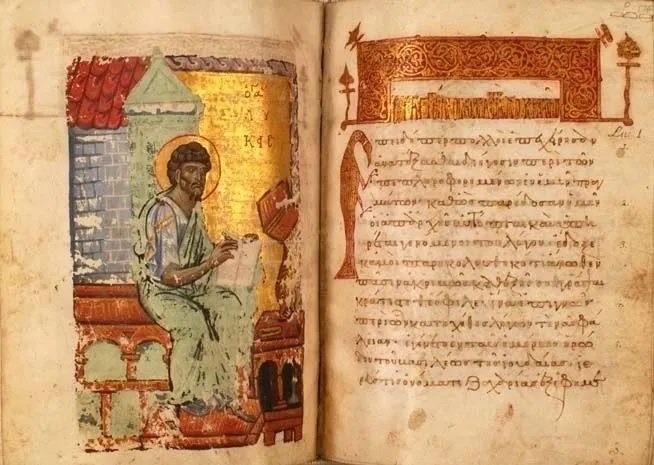
Luke addressed both his gospel and the Book of Acts to someone named “Theophilus.” Who was Theophilus? Since Theophilus means “friend of God,” this might just be a generic name for any believer. But there is another, intriguing possibility that may give new insights to the Bible.
Luke 1:1-4 says:
“Inasmuch as many have undertaken to compile a narrative of the things that have been accomplished among us, just as those who from the beginning were eyewitnesses and ministers of the word have delivered them to us, it seemed good to me also, having followed all things closely for some time past, to write an orderly account for you, most excellent Theophilus, that you may have certainty concerning the things you have been taught.”
Luke was probably writing around 60 A.D., less than three decades after 33 A.D., the Year of the Cross. Luke states that:
· Many had already delivered the story of Jesus
· The accounts came from eyewitnesses and ministers of the word – the apostles
· Luke had followed the narratives for some time past, and
· Luke judged it good to write an ordery account for Theophilus so that he could have certain knowledge of what he had been taught.
Luke’s reference to Theophilus having already been taught the narratives about Christ suggest someone converted to Christianity and wanting a well-ordered account of Jesus’ life. This does not mean that Luke considered the gospel of Mark or the letters of Paul – which were already in circulation – disorderly. But an account of greater detail was desirable.
Luke may have read Matthew’s gospel before writing his own – or Luke and Matthew may have produced their gospels independently and at about the same time. They would have had the chance to read each other’s works when, from 62-63 A.D., they were together with Paul during his first imprisonment in Rome.
But there’s an intriguing possibility. The recipient of this gospel might have been Theophilus ben Ananus, who was Israel’s High Priest from 37-41 A.D. and who was deposed by the Roman governor, Gratus. If so, maybe Luke was trying to persuade Theophilus that Jesus was the Jewish Messiah. Or maybe Theophilus had already become a Christian or was a Christian sympathizer.
The early Christian church consisted overwhelmingly of Jews – some of whom, like Nicodemus, Paul, and Joseph of Arimathea were Jewish religious leaders. Was Theophilus, the High Priest, one of those who acknowledged Jesus as the Messiah?